Bioremediation
Bioremediation is a process that uses microbes to break down contaminants, pollutants, or toxins in soil or water. The microbes are naturally predisposed to biodegrade contamination from hydrocarbons, polycyclic aromatic hydrocarbons (PAHs), volatile organic compounds (VOCs), solvents, and organics (e.g. acetone, glycols). Degradation results in the production of water and trace amounts of carbon dioxide. Once bioremediation is complete, the microbes will naturally die off to normal microbial population levels in the soil, with no negative environmental disturbances.

Bioaugmentation
Microbial bioaugmentation is the practice of adding specific strains of beneficial microorganisms to contaminated environments to enhance the natural biodegradation of pollutants. This approach is used to speed up the breakdown of complex or toxic compounds that native microbial populations may struggle to degrade on their own. We offer custom, tailored blends of naturally occurring microbes to augment and stimulate remediation of toxins, chemicals and metals found in soil and related wastewaters.

Biorevitalization
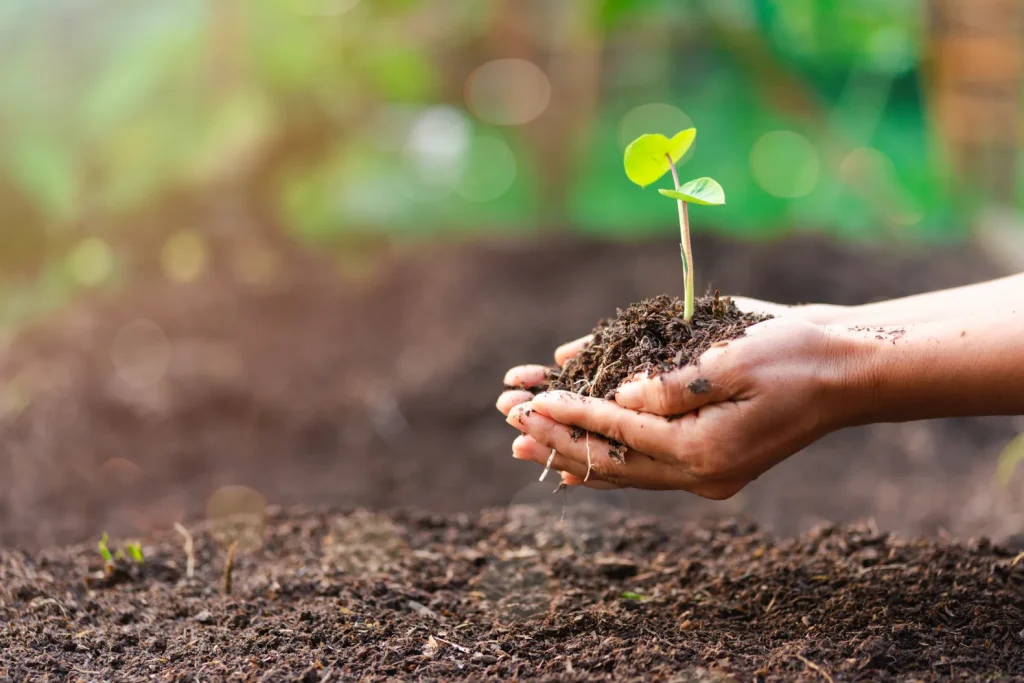
BioNorth Solutions aims to revitalize soil by restoring a natural microbial balance to return the land to a healthy, biological state. This allows the process of land reclamation to begin.
The beneficial microbes are introduced into the environment to promote soil fertility and plant growth. This is accomplished via atmospheric and soil nitrogen fixation, enhancing nutrient solubility, and producing growth-promoting compounds that strengthen plant roots. Additionally, microbes improve soil health by suppressing harmful pathogens, enhancing water retention, and promoting bioremediation, helping to restore soil fertility and resilience over time.

Biostimulation
Plant and vegetation growth is stimulated and the propagation of natural plant species are boosted with our specialized microbial blends. Microbiate™ plant and crop growth bacteria play a crucial role in enhancing plant growth by stimulating hormone production in plants, fixing nitrogen, and solubilizing essential minerals. These processes boost nutrient uptake, improve resistance to disease and environmental stress, and support healthier, more resilient plants and crops. Furthermore, the microbes contribute to soil health through natural bioremediation, creating cleaner, more productive soils.
Simply put, these beneficial microbes help plants access what they need to thrive while making soils more hospitable for sustained growth. Biostimulation is useful in revegetation for land reclamation and agricultural crop growth applications.